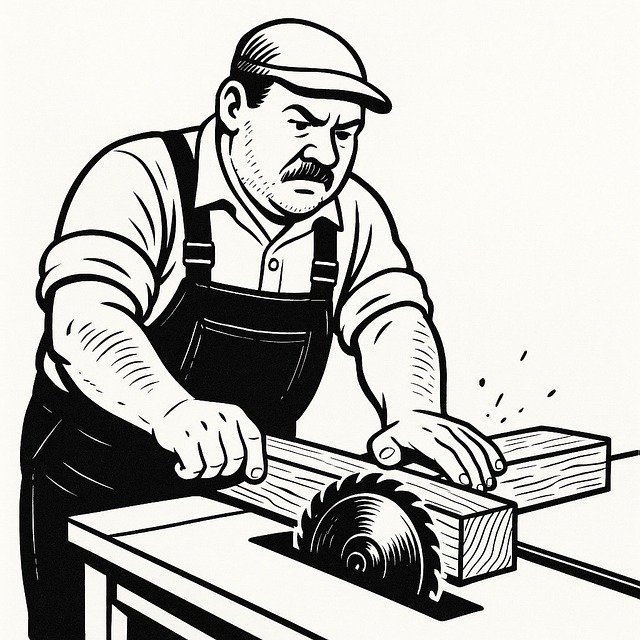
Woodworking Plans for Beginners and Hobbyists: How to Start the Right Way
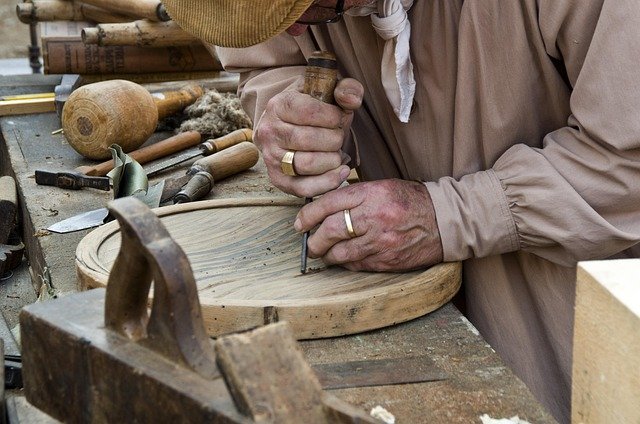
Starting woodworking is exciting. The idea of building something with your own hands — a bench, a table, a small cabinet — is what attracts most beginners and hobbyists to the craft.
But after the initial excitement, many people quickly face the same quiet frustration: they don’t know where to start.
Not because they lack motivation or tools, but because they lack something much simpler — clear woodworking plans.
*Thank you for your attention. Please read to the end, as there is a free bonus at the end to help you if you read the entire article. 🎁
Why Most Beginners Struggle With Woodworking Projects?
When beginners start woodworking, they usually do one of three things:
- Try to copy a project from a random photo online
- Follow incomplete YouTube videos
- Design a project without measurements or steps
At first, everything seems fine. But soon problems appear:
- Wood is wasted
- Measurements don’t line up
- Pieces don’t fit together
- Projects take longer than expected
This isn’t a skill problem.
It’s a planning problem.
Woodworking becomes much easier when you follow structured, step-by-step plans instead of guessing as you go.
What Good Woodworking Plans Actually Do?
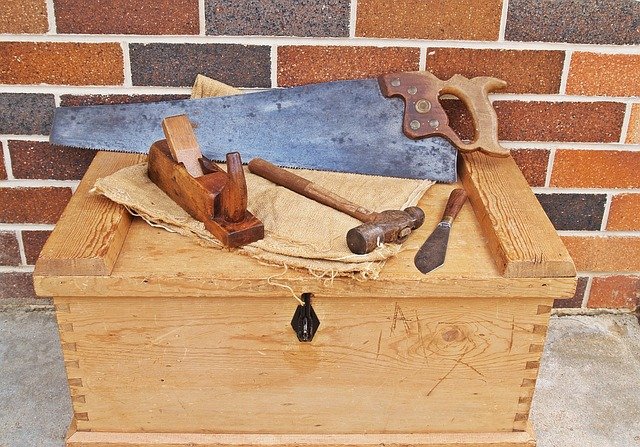
Good woodworking plans don’t just show you a finished project.
They guide you through the process.
For beginners and hobbyists, the best plans usually include:
- Clear measurements
- Material lists
- Simple joinery methods
- Logical building steps
- Projects suited for home garages or small workshops
With the right plans, woodworking stops being trial and error and becomes a repeatable process.
Why Plans Matter Even for Hobbyists?
Many hobbyists don’t want to become professional woodworkers.
They just want to:
- Build things on weekends
- Improve their skills over time
- Avoid wasting time and materials
- Actually finish projects they start
Using ready-made woodworking plans doesn’t limit creativity — it removes unnecessary frustration.
Once you understand how projects are built, adapting or customizing them becomes much easier.
Common Types of Woodworking Projects Beginners Enjoy
Most beginners and hobbyists start with practical projects they can actually use, such as:
- Workbenches
- Shelves
- Small tables
- Storage boxes
- Outdoor furniture
- Simple cabinets
These projects are ideal because they:
- Use basic tools
- Don’t require advanced joinery
- Help develop confidence and accuracy
The key is choosing plans designed specifically for beginners, not advanced craftsmen.
How Some Beginners Progress Faster Than Others?
If you look at people who stick with woodworking long-term, they usually have one thing in common:
They start with structured plans, then gradually expand their skills.
Instead of searching for a new tutorial every time, they rely on a collection of plans that covers:
- Different project sizes
- Skill levels
- Indoor and outdoor builds
This gives them consistency and direction, which is often missing when learning randomly.
Choosing the Right Woodworking Plans as a Beginner?

looking for woodworking plans, beginners should pay attention to:
- Clarity of instructions
- Beginner-friendly language
- Visual diagrams
- Project variety
- Logical progression from simple to more complex builds
A well-organized set of plans can save countless hours and prevent common beginner mistakes.
Some woodworkers prefer starting with a small selection of projects, while others like having access to a larger library so they can grow without constantly searching for new ideas.
Final Thoughts
Woodworking doesn’t need to be overwhelming.
For beginners and hobbyists, the difference between frustration and enjoyment often comes down to having the right plans from the start.
Clear woodworking plans won’t make the work effortless — but they make it far more rewarding, especially when you’re building in your own garage, at your own pace.
If you’re serious about learning woodworking as a hobby, starting with structured plans is one of the simplest ways to make the journey smoother and more enjoyable.
🔎 Want to explore woodworking plans designed for beginners?
Some beginners prefer starting with a small, structured set of woodworking plans instead of searching project by project.
If you’re looking for a practical starting point, you can access the bonus with 50 woodworking plans here and see if it fits what you’re trying to build.